Enfield Town removals guide for tight streets and parking
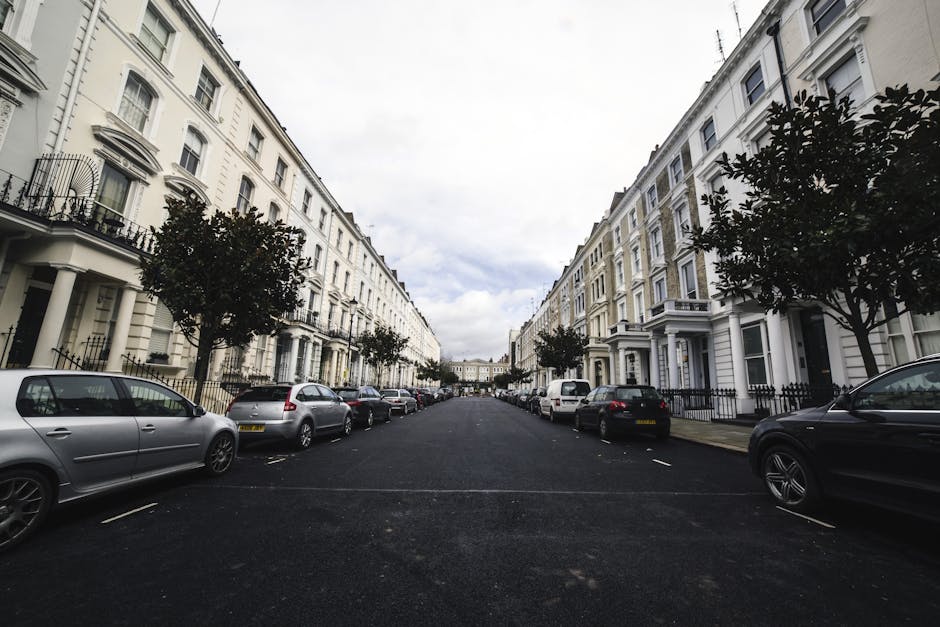
If you are moving in Enfield Town, you already know the tricky bit is often not the lifting, it is the logistics. Narrow residential roads, limited kerb space, awkward turns, and the simple question of where the van can actually stop can turn a straightforward move into a slow, stressful morning. This Enfield Town removals guide for tight streets and parking is here to help you plan sensibly, avoid the usual headaches, and make the day feel manageable rather than chaotic.
Whether you are moving from a flat near the station, a family house on a tighter street, or a small office with limited access, the same principle applies: the better the access plan, the smoother everything goes. We will walk through what matters, how to prepare, common mistakes, and the practical decisions that make a real difference. No fluff. Just the kind of advice that helps when the van is outside and the clock is already ticking.
Contents
- Why Enfield Town removals guide for tight streets and parking matters
- How Enfield Town removals guide for tight streets and parking works
- Key benefits and practical advantages
- Who this is for and when it makes sense
- Step-by-step guidance
- Expert tips for better results
- Common mistakes to avoid
- Tools, resources and recommendations
- Law, compliance, standards, or best practice
- Options, methods, or comparison table
- Case study or real-world example
- Practical checklist
- Conclusion
- Frequently asked questions
Why Enfield Town removals guide for tight streets and parking matters
Moving day can go wrong in surprisingly ordinary ways. A van arrives late because it cannot park near the property. Someone blocks a driveway while carrying boxes. A sofa will not turn on the staircase, so the crew has to re-route through the front door. In tight Enfield Town streets, these are not rare problems; they are the kind of thing that shows up if you have not planned ahead.
Parking is usually the main pressure point. In compact streets, there may be residents' bays, permit restrictions, time limits, loading-only spots, or simply too little space for a large vehicle to sit safely. Even when parking looks possible, the angle of access can matter just as much as the bay itself. Let's face it, a removal lorry is not a nimble little hatchback.
This matters because access affects everything: time, labour, safety, and cost. If the van must park further away, carrying distances increase. That means more time, more fatigue, and more risk of damaged items or scrapes in a narrow hallway. A well-planned move avoids all that and keeps everyone calmer. Calm is underrated on moving day.
For people comparing moving options, it can help to look at broader support too. Services such as removals in Enfield and removal services Enfield are most useful when they are matched to the access conditions of the property, not just the size of the home.
How Enfield Town removals guide for tight streets and parking works
The process is not complicated, but it does need structure. In practical terms, a good removal plan for a tight street starts before the van is booked and ends after the last item is inside the new property. Think of it as an access chain: property measurements, parking realities, vehicle choice, packing order, and the sequence of loading and unloading.
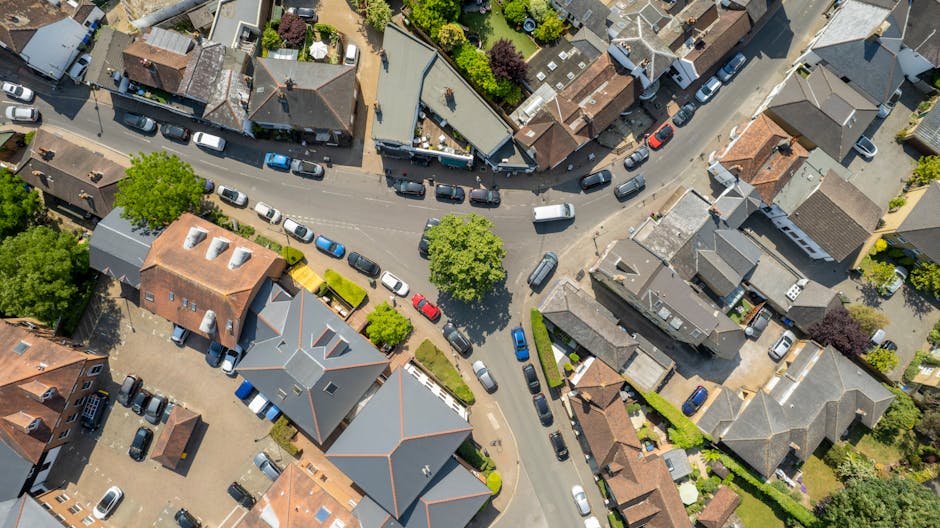
First, assess the street. Is it one-way? Are there corners where a long wheelbase van would struggle? Are there parked cars that make reversing awkward? Is there room to open doors fully without blocking the pavement? These details sound small, but they are exactly what decides whether the move runs cleanly or turns into a long, stop-start shuffle.
Next comes vehicle planning. In many situations, a smaller vehicle or a more flexible service can be easier to manage than a larger van, especially where access is tight. A service such as man and van Enfield may suit lighter loads or properties with awkward parking better than a larger set-up. That said, smaller does not always mean cheaper once multiple trips are needed, so it is worth thinking it through properly.
Then there is timing. Morning loading often works better in residential streets because parking tends to be a little more available, though this depends on the road and the day. Mid-morning can be fine too. The point is not the exact hour; it is choosing a slot that reduces conflict with school runs, commuter traffic, and neighbours needing access. You want the day to breathe a bit.
Finally, the unloading side matters just as much. If the destination is another tight street, the same logic applies there too. The move is only as smooth as its worst access point.
Key benefits and practical advantages
When access is planned properly, the benefits show up in ways people notice immediately.
- Less carrying distance: shorter walks from van to door reduce fatigue and handling risk.
- Faster loading: the crew can keep a steady rhythm instead of pausing for parking problems.
- Lower damage risk: fewer awkward turns, fewer rushed lifts, fewer near-misses in hallways.
- Better neighbour relations: a tidy, time-bound move causes less friction on narrow streets.
- More accurate pricing: the mover can quote based on realistic access, not guesswork.
There is also a quieter benefit: peace of mind. If you have ever tried to move while constantly wondering whether the van will fit, you will know the feeling. Once the plan is clear, the whole day feels less brittle.
This is also where specialist services can help. For heavier or more delicate items, such as upright instruments or grandfather pieces, piano removals Enfield may be the safer route because it accounts for both handling and access constraints. Tight streets and awkward entrances are exactly where expert lifting becomes valuable.
Who this is for and when it makes sense
This guide is for anyone moving in or out of Enfield Town where access is not straightforward. That includes flat movers, homeowners on narrow residential roads, students with limited furniture, and small businesses relocating from compact office premises. If you are thinking, "the van can probably stop outside for a minute," this section is probably about you.
It also makes sense if you are planning a same-day move, because time pressure and tight parking are a poor combination. A service like same-day removals Enfield can be helpful when there is no luxury of repeated visits or long pauses. The fewer surprises you leave for moving day, the better.
For renters moving between flats, access can be the main challenge rather than volume. A flat removals Enfield approach is often more suitable because it is built around stairs, entryways, shared access, and the practical realities of flats in busier streets.
If you are moving a family house, a rental property, or even doing a post-sale relocation, the common thread is the same: tight access requires proper planning. If you leave it to the last minute, the day starts to feel like a puzzle with half the pieces missing.
Step-by-step guidance
Here is the simplest way to organise the move so the parking side does not derail it.
- Measure the access properly. Note the street width, entrance width, stair turns, and any awkward corners. A quick look is not always enough.
- Check parking reality, not just parking signs. Look at where a van could actually stop without blocking traffic, crossings, or driveways.
- List large or fragile items first. Sofas, wardrobes, beds, mirrors, white goods, and anything requiring disassembly should shape the plan.
- Decide on vehicle type early. Larger is not always better. A smaller vehicle can be the practical choice for a tight street.
- Pack for fast movement. Keep essentials separate, label clearly, and group rooms logically so the unloading sequence is clean.
- Protect routes inside the property. Hallways, stair edges, and doorframes are where clumsy moments happen.
- Confirm arrival timing. Build in buffer time, because a parking shuffle or building access delay can happen even on a well-run job.
- Prepare a fallback plan. If the van cannot stop directly outside, know where the next best position is.
A good local mover will usually ask questions about access before the day itself. If they do not, that is a small warning sign. Not a disaster, but a sign.
It can also help to review the company's wider approach to safety and handling. Pages such as insurance and safety and health and safety policy give a useful sense of how seriously a provider treats risk, which matters more than people sometimes think.
Expert tips for better results
Here are the things that tend to make a real difference in narrow Enfield streets.
Use the pavement and doorway space intelligently. It sounds obvious, but many delays happen because items are staged too far from the entrance. Keep the path clear, but keep the loading zone efficient. You want movement, not chaos.
Pack by handling difficulty, not just by room. A light box from the kitchen may be easier to move than a fragile lamp from the bedroom. The crew should be able to get to the awkward items without digging through everything else.
Disassemble early if possible. Beds, table legs, bulky shelving, and some wardrobes are much easier to move in parts. That can be the difference between a smooth carry and an awkward two-person wrestle down a narrow stairwell.
Protect the floor from the start. Wet weather, muddy shoes, and cardboard can be a messy combination. A damp morning in Enfield can leave the hallway a bit slick, and nobody wants that.
Talk to neighbours if parking may be tight. A quick polite note or conversation can reduce complaints. It is a small human thing, but it helps. Most people are reasonable if they know what is happening.
Leave the small van door decisions to the crew. It may be tempting to help by opening and closing things constantly, but sometimes less interference is more. A little humour helps too; moving day is already a circus without a second ringmaster.
If you are comparing providers, it is worth reading a little about the team itself. The about us page is often a good place to understand experience, service style, and how the company approaches local moves. That context can matter more than a flashy headline.
Common mistakes to avoid
Most removal problems in tight streets are avoidable. Here are the most common mistakes people make.
- Assuming parking will "sort itself out". It rarely does. If it does, that is luck, not planning.
- Booking the wrong size vehicle. Too large and access becomes awkward; too small and you may need extra trips.
- Ignoring stair turns and door widths. The street is only half the challenge. The building can be the real problem.
- Forgetting loading restrictions. Time windows and permit limitations can catch people out.
- Packing too late. Last-minute boxes are often poorly labelled and difficult to stack safely.
- Not preparing for neighbours or building access. Shared entrances need a bit of diplomacy.
- Leaving fragile items for the end without a plan. That usually means rushed handling, and rushed handling is where mishaps happen.
There is also a less obvious mistake: not checking the paperwork. Booking terms, payment details, and cancellation conditions can matter if weather or access problems shift your timing. If you want to understand that side better, the pages on pricing and quotes and terms and conditions are worth a careful read.
Tools, resources and recommendations
You do not need a toolbox full of fancy kit, but a few practical items can make a big difference.
- Measuring tape: useful for doors, hallways, stair turns, and furniture clearance.
- Floor protection: sheets, runners, or sturdy coverings to reduce scuffs.
- Labels and marker pens: simple, but they save time when unloading.
- Box cutters and tape: keep them in an essentials bag so they do not disappear under everything else.
- Gloves and proper footwear: important for grip and safe handling.
- Camera on your phone: helpful for noting tight spots, parking signs, and the condition of furniture before loading.
For larger household moves, a full service can be easier than piecing everything together yourself. The broader home removals Enfield option works well when access needs to be coordinated from start to finish. If you only need partial help, a man with a van Enfield arrangement may be enough, especially for smaller flats or single-load moves.
And if the move involves sofas, tables, wardrobes, or a lot of dismantling, furniture removals Enfield support can reduce strain. Heavy items are often where a good plan pays for itself. Not glamorous, but true.
Law, compliance, standards, or best practice
Without turning this into a legal lecture, there are a few sensible points to keep in mind. Parking in Enfield Town may be subject to local restrictions, permit rules, loading limits, or time-based controls. Because rules can vary by street and change over time, it is best to check the current local arrangements before moving day. That is the kind of thing you want verified, not assumed.
Vehicle access also needs to be handled with care. A removal van should park in a way that does not create unnecessary danger to pedestrians, traffic, or building entrances. Good movers treat that as standard practice rather than an afterthought. In narrow streets, a few inches can matter more than people expect.
There is also the matter of safe manual handling. The accepted norm in the removals industry is to reduce unnecessary lifting strain, keep paths clear, use suitable equipment, and avoid forcing bulky items through spaces that are clearly too tight. If something looks borderline, it usually is.
Insurance and careful working practices matter as well. You are not just paying for manpower; you are paying for the quiet confidence that items are being moved responsibly. If you want a sense of that approach, it is worth looking at the company's modern slavery statement, recycling and sustainability, and other policy pages. Those are not moving-day tools, obviously, but they do signal how a business thinks about responsibility.
Options, methods, or comparison table
Not every move in Enfield Town needs the same setup. The best choice depends on access, load size, and how much help you want.
| Option | Best for | Strengths | Watch-outs |
|---|---|---|---|
| Large removal van | Full house moves with moderate access | Fewer trips, efficient loading | Can struggle in very tight streets |
| Smaller van / man and van | Flats, light moves, awkward parking | More flexible access, easier stopping | May need more trips for bigger loads |
| Full removal service | Busy households, fragile items, time pressure | More hands, better coordination | Usually costs more than basic transport |
| Self-managed move with hired van | Low-budget moves with good access | Lower service cost, more control | More stress, more lifting, more room for error |
For many people, the sweet spot is not the biggest or smallest option. It is the one that suits the road and the building. That sounds obvious, but you would be surprised how often the wrong vehicle is chosen because the quote looked neat on paper.
Case study or real-world example
Imagine a second-floor flat in a narrow Enfield Town street. The property has a shared entrance, a tight stairwell, and limited space to pause outside. The move includes a sofa, bed frame, dining table, six boxes of books, and a couple of fragile lamps. Nothing outrageous. Just enough to cause trouble if handled casually.
In a rushed version of that move, the van arrives, finds no easy parking, circles once or twice, then stops several doors away. The crew now has extra carrying distance, neighbours are stepping around boxes, and the stairs are getting congested. The sofa becomes the centre of attention, which is never a good sign.
In a better version, the team has already checked the road, chosen a suitable van, and planned the loading order. Parking space is reserved as far as the local situation allows, the items are staged near the entrance, and the fragile pieces are loaded first. There is still effort, of course, but it feels controlled. A bit noisy, a bit sweaty, but controlled.
That is the point of planning for tight streets and parking: it removes the improvisation. The move still involves lifting, walking, and a few awkward angles, but it no longer depends on luck.
Practical checklist
Use this simple checklist in the days before your move.
- Measure doorways, stair turns, and any narrow hall sections.
- Check parking restrictions, bays, and likely stopping points.
- Confirm the vehicle size matches the access and the load.
- Label boxes by room and fragility.
- Disassemble bulky furniture where sensible.
- Protect floors and entry points.
- Keep essentials separate for first-night access.
- Tell neighbours if the street is likely to be busy.
- Prepare a backup parking or unloading spot.
- Review the service details, payment, and terms before the day.
If you are still deciding which type of support fits best, the wider services overview can help you match the move to the level of help you actually need. Sometimes a little guidance saves a lot of second-guessing.
Conclusion
A move in Enfield Town does not need to be complicated, but tight streets and awkward parking do mean you have to think ahead. Once you plan for access, choose the right vehicle, and prepare the property properly, the whole day gets easier. Less strain. Less waiting. Fewer surprises.
That is really the heart of this guide. The best removals are not the loudest or the fastest; they are the ones where everything quietly fits together. If you build the plan around the street, not just the boxes, you give yourself a much better chance of a smooth move. And on a busy moving day, smooth is a lovely word.
Get a free quote today and see how much you can save.
Whether you are moving across Enfield Town or just around the corner, a careful approach will make the experience feel much more human and a lot less frantic. One good plan, and the day tends to behave itself.
Frequently Asked Questions
How do I plan a removal in a tight Enfield Town street?
Start by checking the actual width of the road, likely parking positions, and any obstacles such as parked cars, bins, or low-hanging branches. Then match the vehicle size to the access rather than guessing. A short site check before moving day helps far more than people expect.
What is the best vehicle for narrow streets and limited parking?
There is no universal best choice. A smaller van can be easier to position, while a larger van may reduce trips if the street allows it. The right option depends on access, load size, and how much time you have.
Can a removal van stop outside my property in Enfield Town?
Sometimes yes, sometimes no. It depends on parking restrictions, traffic flow, and whether the street can safely accommodate loading. It is wise to plan for the possibility that the van may need to park a little further away.
Do I need a parking permit for moving day?
Possibly, but this depends on the exact street and local parking rules. Check the current arrangements in advance rather than assuming loading will be fine. Small administrative details can cause the biggest delays.
Is a man and van service enough for a flat move?
For smaller flats or lighter loads, yes, it often is. If access is awkward but the volume is manageable, a more flexible service can make life easier. For larger or more fragile moves, more hands may be the better call.
How far in advance should I book a removal for a tight street?
As early as you can, especially if you need a specific time window. Tight streets tend to benefit from careful scheduling because parking and loading can be more sensitive to delays.
What should I tell the removals team before the move?
Tell them about stair access, parking restrictions, doorway width, storage areas, fragile items, and any awkward furniture. The more honest the picture, the better the plan. Nobody likes nasty surprises at 8:30 in the morning.
How can I reduce the risk of damage in a narrow hallway?
Clear the route, protect the floor, disassemble large items where possible, and keep boxes stacked neatly rather than loose. Slow, steady handling usually beats rushing every time.
What if there is no parking space near the property?
Work out the nearest practical loading point and allow extra carrying time. If the route is long, it may be worth choosing a different vehicle or service approach. Good planning here saves a lot of stress later.
Are flat removals different from house removals in Enfield Town?
Yes, mainly because of stairs, shared entrances, and less flexible loading space. Flat moves often need more attention to access and timing, even when the amount of furniture is not huge.
How do I know if I need full removals or just transport help?
If you need packing, lifting, dismantling, and careful coordination, full removals make sense. If you mostly need someone to move a small load with a van, a lighter service may be enough. Think about access first, because that usually decides the rest.
What is the biggest mistake people make on moving day?
Assuming the road and parking will be fine without checking. In tight streets, that one assumption can ripple through the whole day. A careful access plan is boring to make, but very satisfying to have.